
Maintenance basics / a practical guide

Car maintenance basics for the years ahead.

Routine maintenance is less about predicting every repair and more about noticing the work your car needs, checking the right source, and keeping a useful record. For a 5-to-15-year-old vehicle, the owner’s handbook, service history, and current condition should guide the next decision.

Open car hood ready for a routine maintenance check
Begin with information you can verify: the handbook, the odometer, and the last known service.
01 / Build a useful rhythm

Intervals are prompts, not universal promises.

Service timing can depend on the exact engine, model year, mileage, climate, load, and driving pattern. Use the maintenance schedule for your vehicle as the primary reference. If the history is incomplete, record what is known and ask a qualified technician to help establish a sensible baseline.

  1. Find the source. Check the owner’s handbook or manufacturer schedule for time- and mileage-based requirements.
  2. Locate the last reliable entry. Use invoices, service stamps, dashboard records, or a previous owner’s notes, and label uncertain information as unknown.
  3. Separate routine work from a new concern. A scheduled oil change or inspection is different from a new noise, leak, warning light, or change in handling.
  4. Set one next reminder. Choose the next confirmed task, its due date or mileage, and the note you will need when arranging the work.
02 / Notice changes early

Simple observations worth recording.

Fluids and visible leaks

Look for fresh spots beneath the parked car, a falling fluid level, or residue around accessible components. Do not identify an unknown fluid by guesswork; note its location and appearance and ask a qualified professional.

Tyres and steering feel

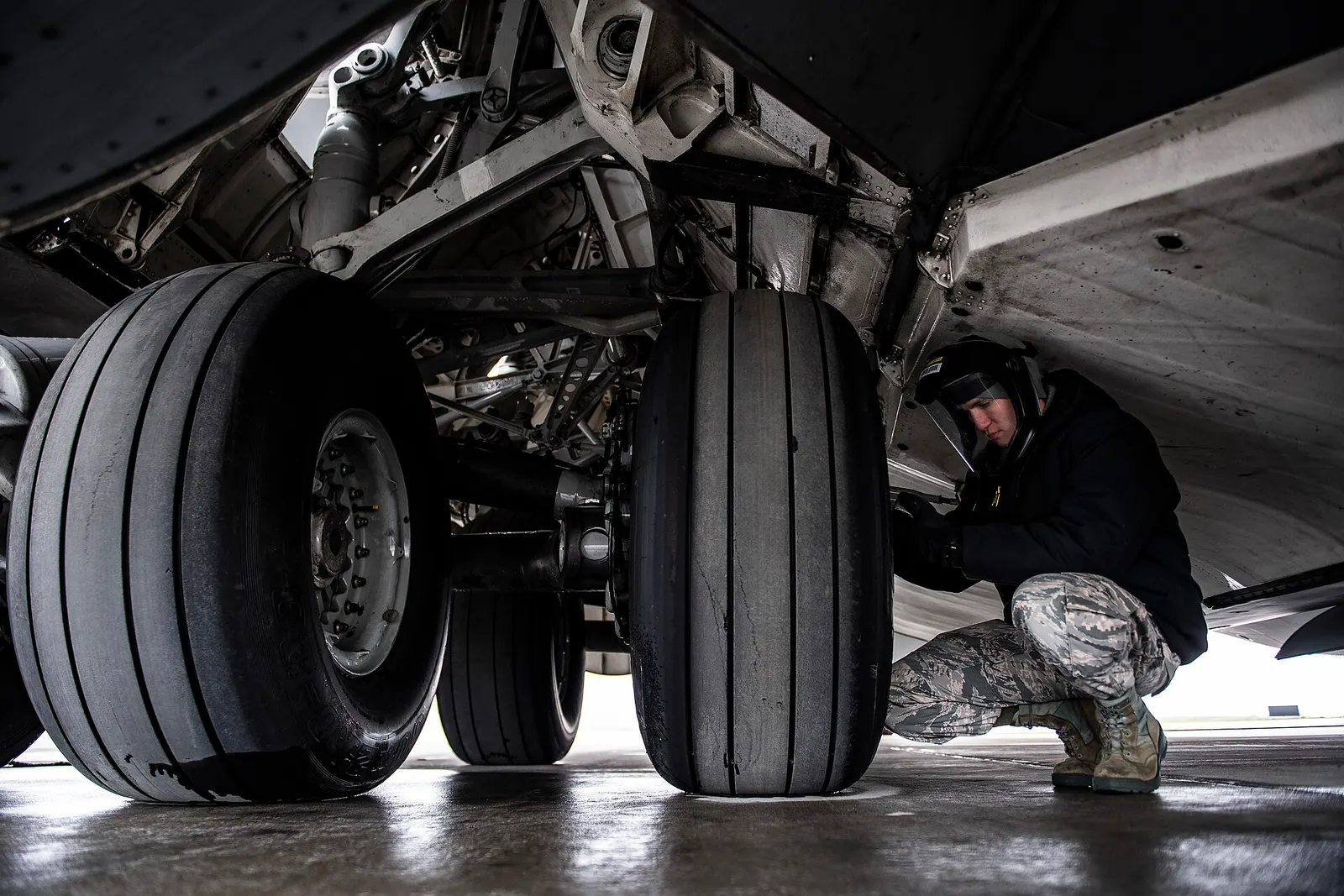
Check pressures against the vehicle label or handbook and look for uneven wear, bulges, cuts, or damage. A new pull, vibration, or change in steering feel deserves prompt professional attention.

Starting and charging clues

Record slow cranking, repeated jump-starts, dimming lights, or a battery warning. These observations can help a technician test the battery and charging system rather than relying on guesswork.

Lights and dashboard messages

Note the exact warning symbol, when it appeared, and whether the car’s behaviour changed. Follow the handbook’s instructions for that warning and seek qualified assistance when the message is urgent or unclear.

03 / Make the history travel

A short record can make the next conversation clearer.

Keep each entry specific enough to be useful later. Include the date, mileage, task completed, parts or fluids specified on the invoice, and the name of the garage or person who carried out the work. Attach receipts where possible, but do not delay recording the essentials if a receipt is unavailable.

Date and mileage

Anchor the work in time and distance.

Work completed

Write the task plainly, such as inspection, replacement, adjustment, or repair.

Next known interval

Copy the handbook or technician’s recommendation rather than estimating.

Open questions

Keep unresolved noises, leaks, or follow-up items visible until checked.

Checking a car tyre as part of a routine inspection
A reminder helps you look and record; it does not replace the vehicle handbook or a qualified inspection.
04 / Choose the next action

Use a calm escalation rule.

For a routine item, confirm the interval and arrange the work before it is due. For a new or worsening symptom, write down what changed, when it happens, and any dashboard message. Stop driving and seek urgent professional guidance when the handbook instructs you to do so, or when continuing could be unsafe. RoadRivet provides organization and reminders, not a diagnosis, repair instruction, or guarantee about a vehicle’s condition.

Once the work is complete, save the date, mileage, and supporting details. That closes the loop and gives the next reminder a dependable starting point.